Free migration from your existing QMS
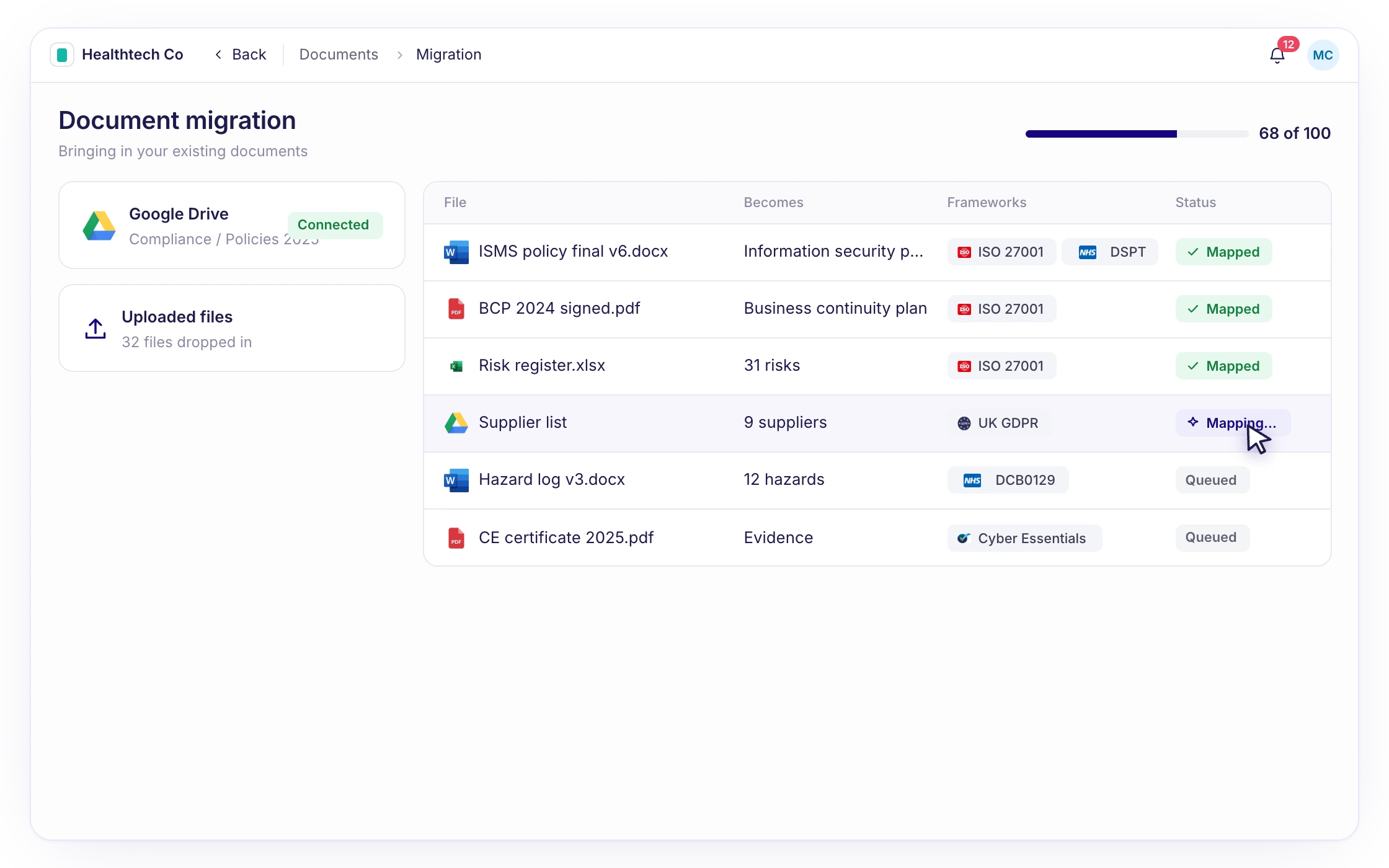
Move across without rebuilding by hand. Full migration is included on every eQMS plan: we map your documents, records and processes to our frameworks, with version history intact.
An eQMS built for healthtech and software devices, from Class I self-certification to Class IIa and beyond.
Trusted byquality teams


Core modules
One quality system connecting documents, risk, quality events, suppliers and post-market surveillance.
Features
Move across without rebuilding by hand. Full migration is included on every eQMS plan: we map your documents, records and processes to our frameworks, with version history intact.
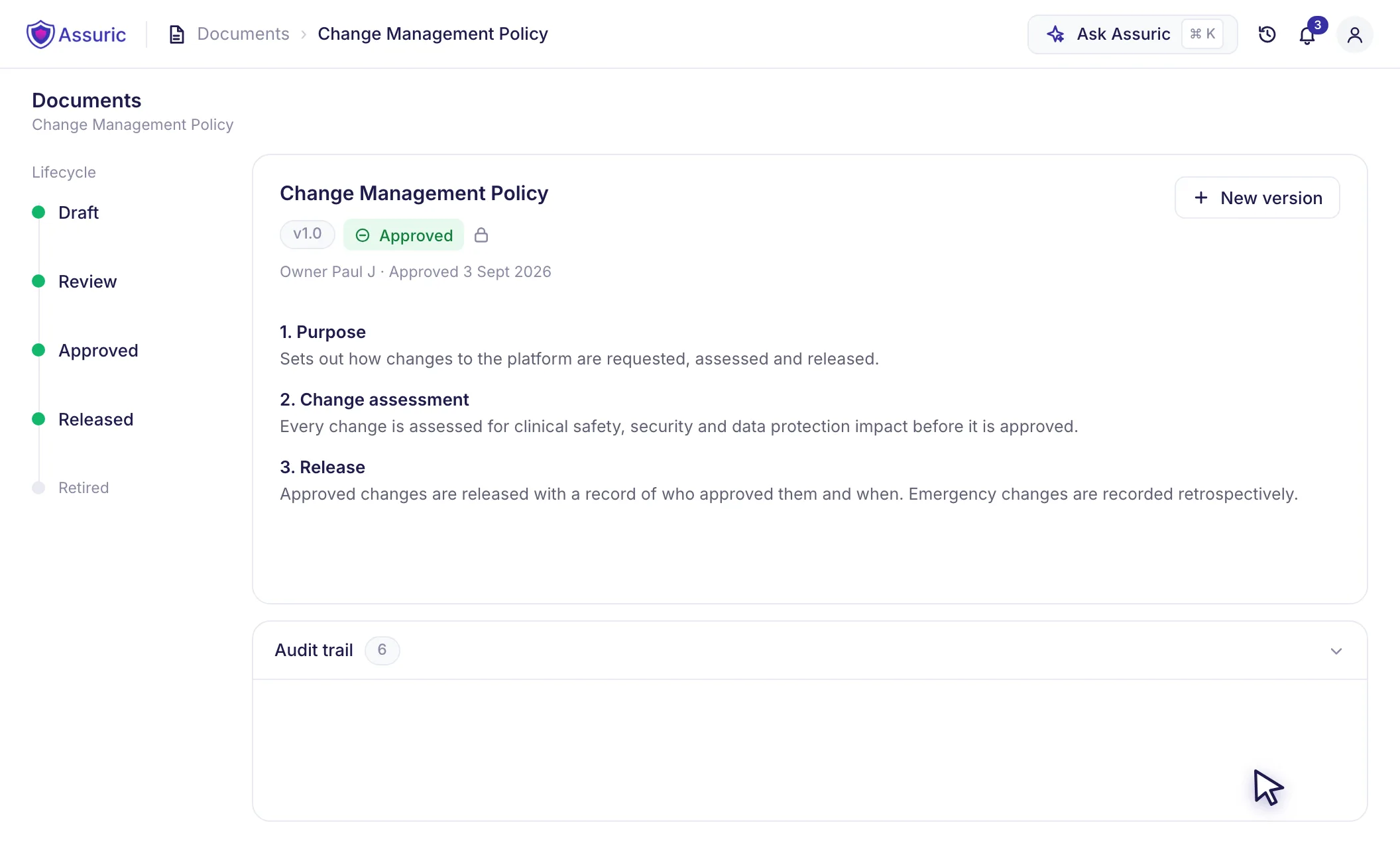
Write, review, approve and retire SOPs, policies and records in one controlled system, with version control, approval workflows and a ready-made policy and SOP library. You always know which version is approved and what changed.
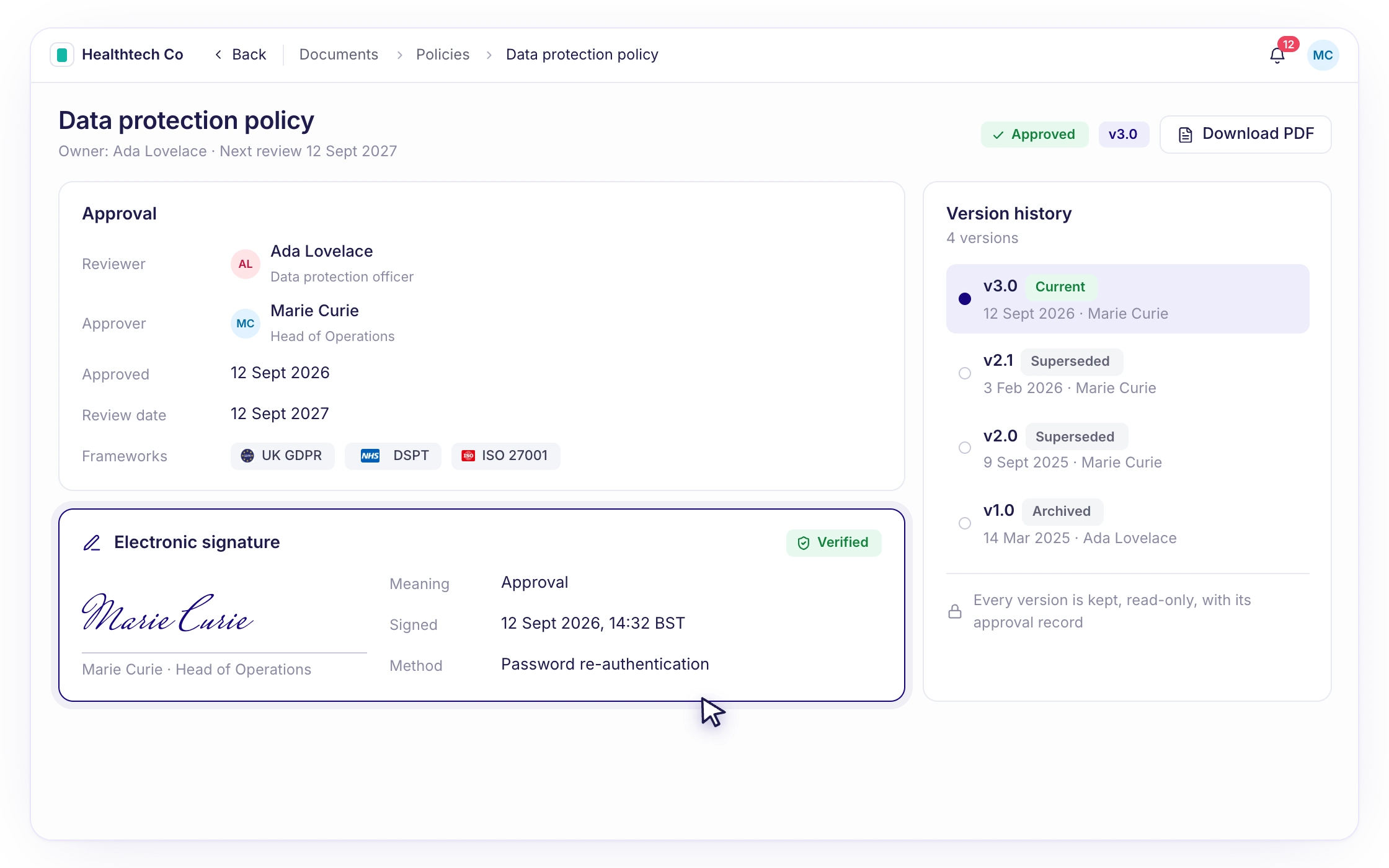
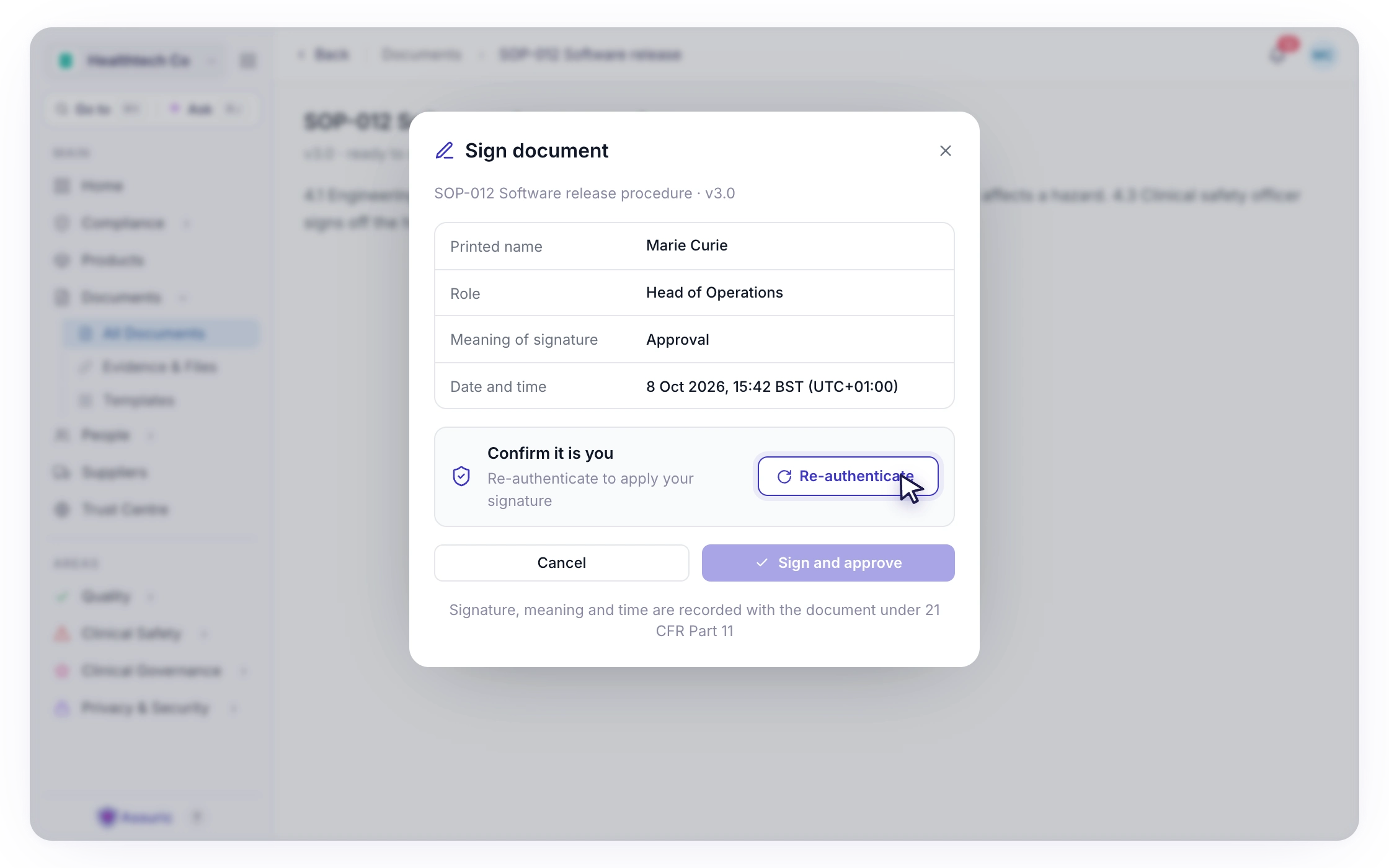
Approve documents and records with compliant electronic signatures, each linked to the signer, the meaning of the signature and the exact version signed.
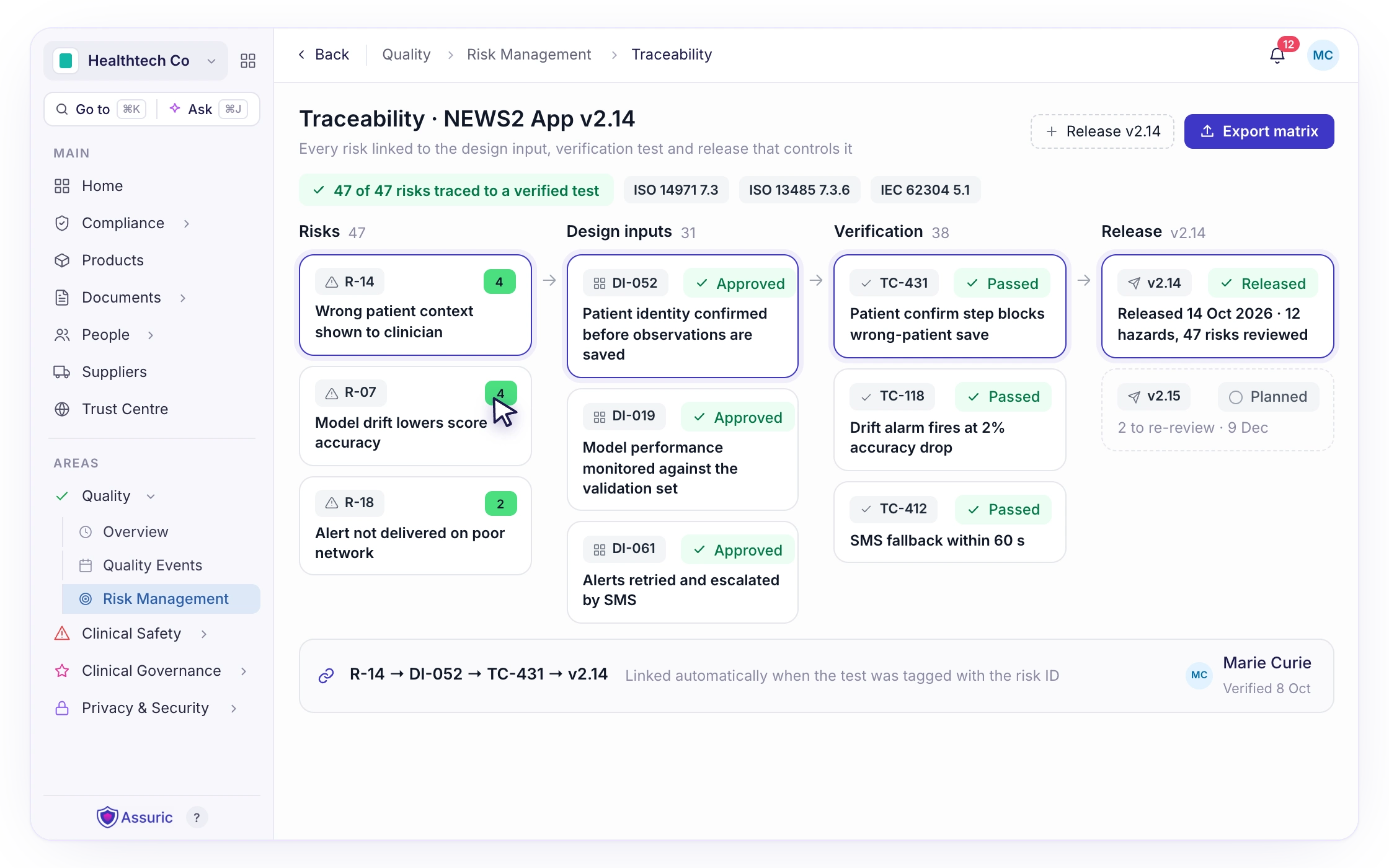
Risks, hazards, design records and releases link as you go, so every risk points at the version it affects and the trace an auditor asks for is already in place.
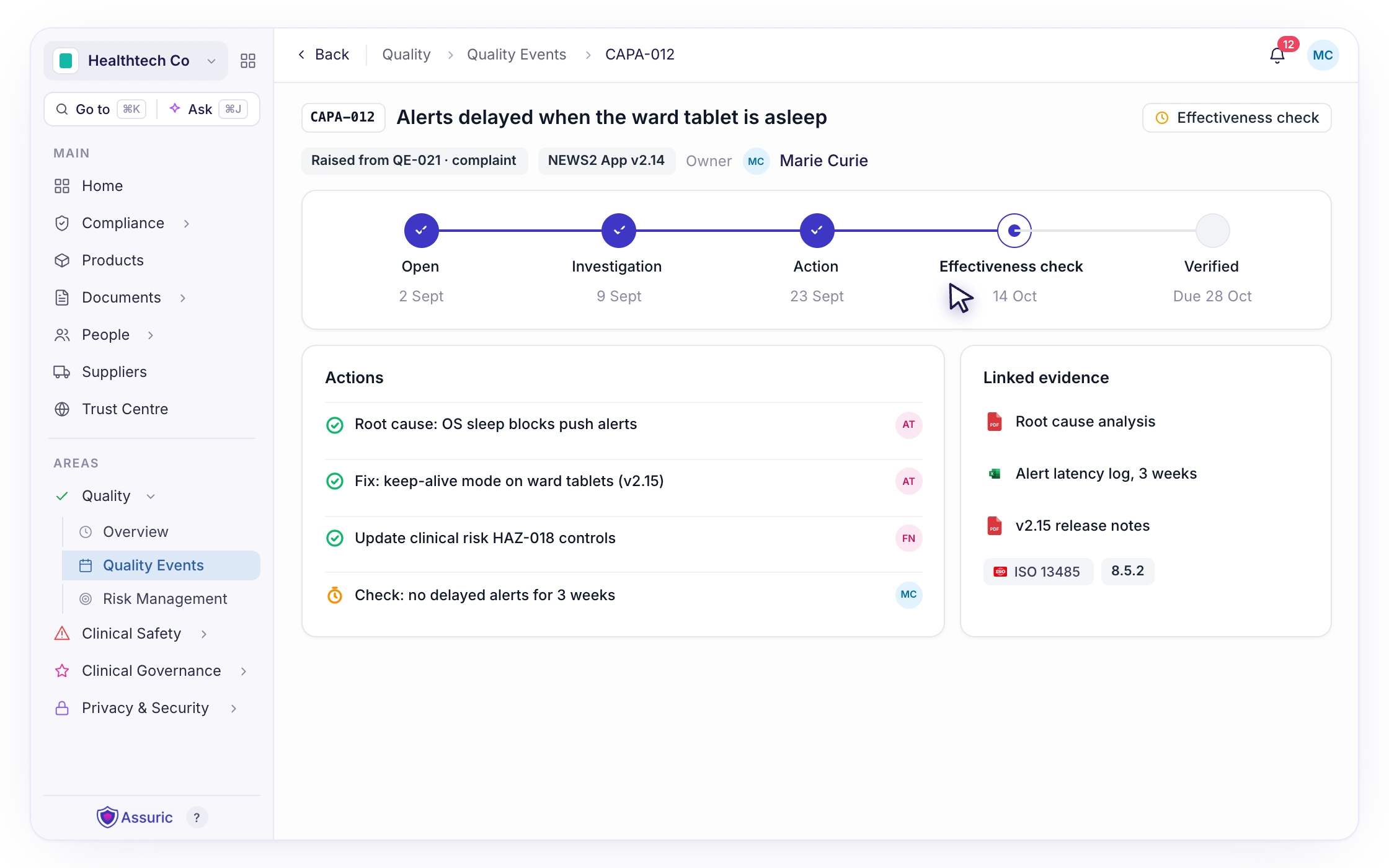
Log nonconformities, complaints and incidents, investigate root causes and track CAPAs from open to closed, linked to the risks, documents and releases they affect.
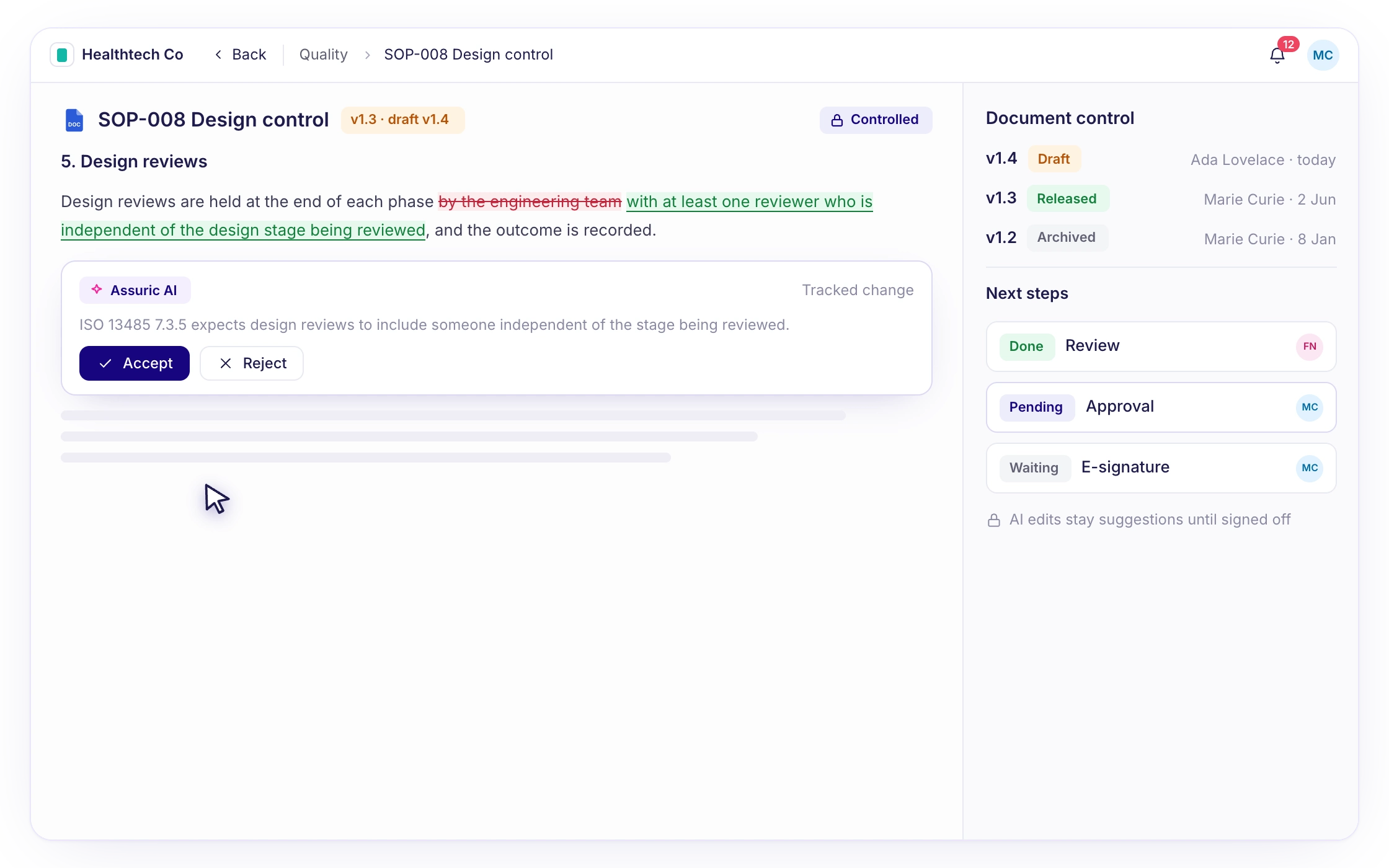
Draft and update SOPs from your own records, get gaps flagged before review, and connect any AI assistant through MCP. Every AI suggestion is a tracked change that a named person accepts.
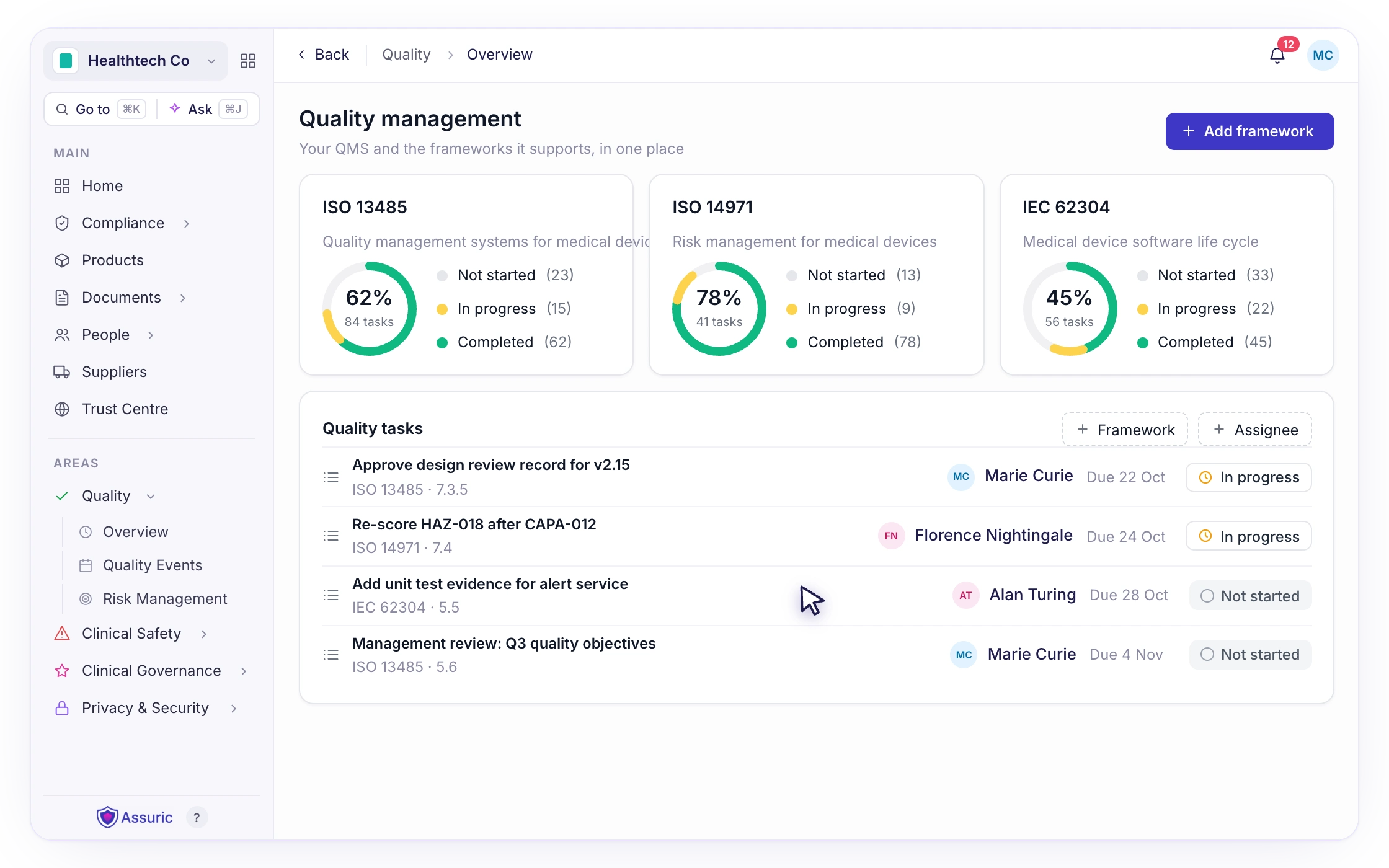
Track progress against ISO 13485, MDR and your other frameworks clause by clause, with owners, due dates and evidence mapped once and reused across your ISMS, AIMS and NHS compliance.
Benefits
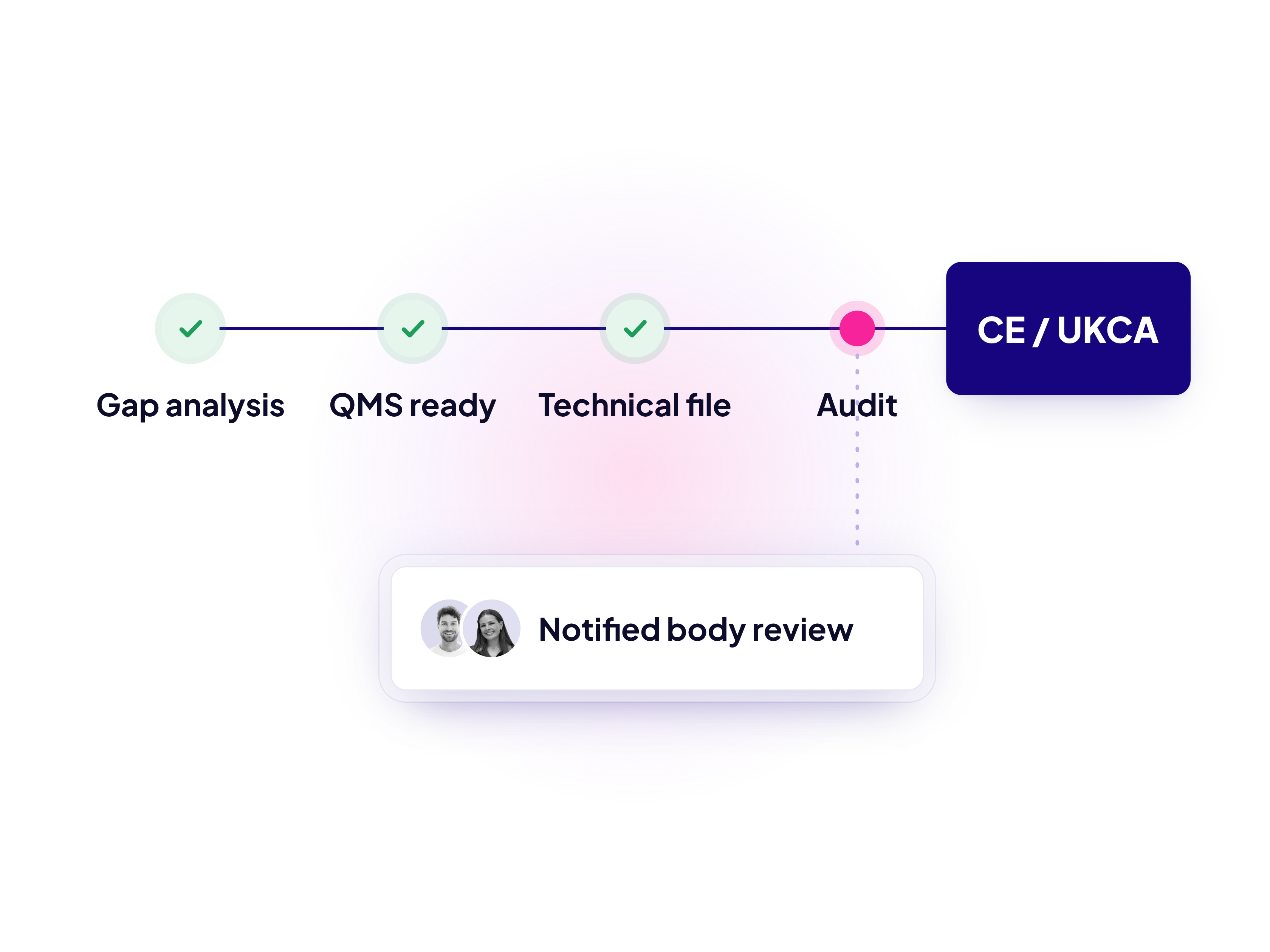
Start from smart templates, mapped frameworks and a migrated document set, so you reach ISO 13485 certification sooner.
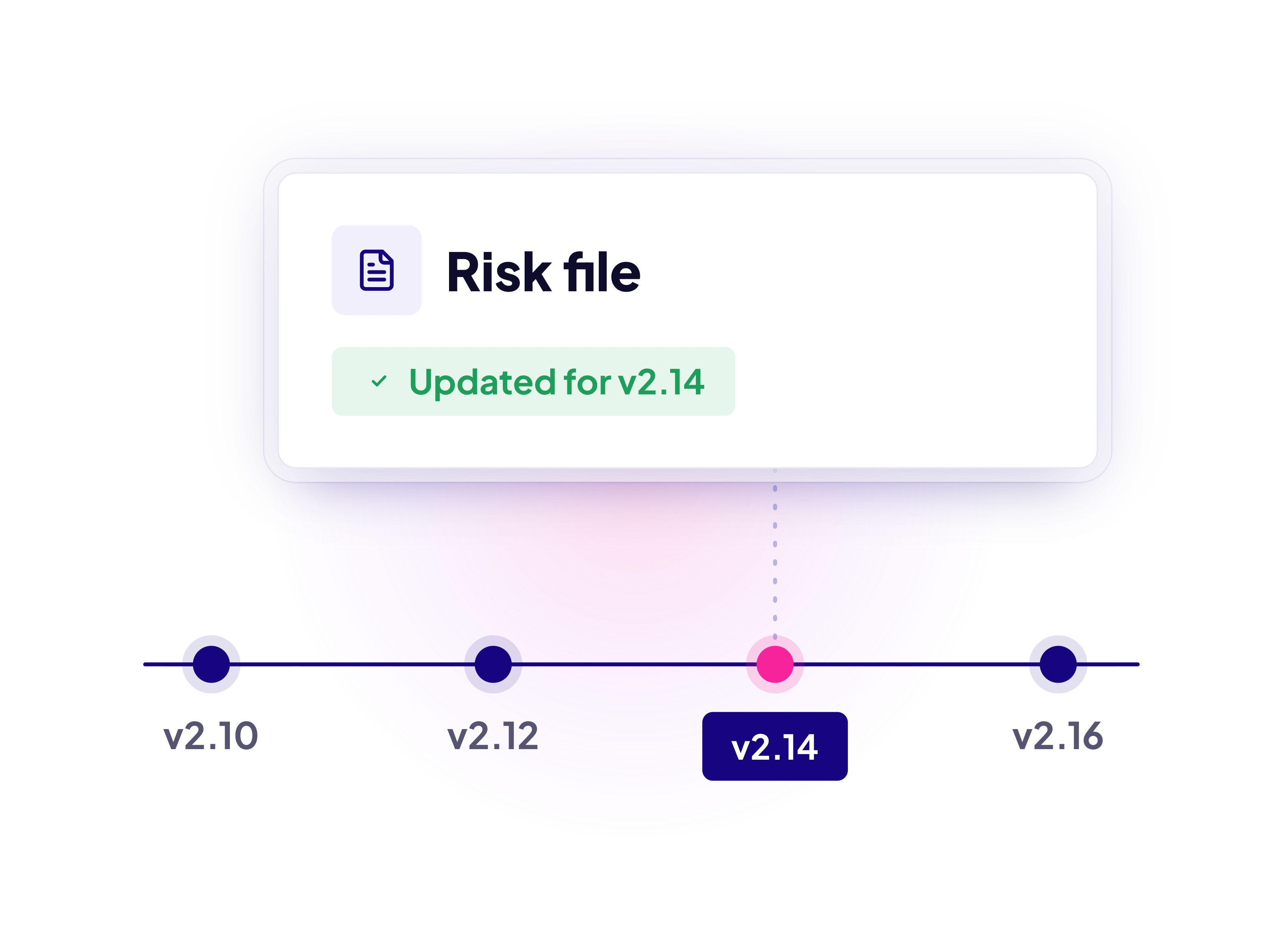
Design controls, risk and traceability sit where your team already works, so your QMS never slows down a release.
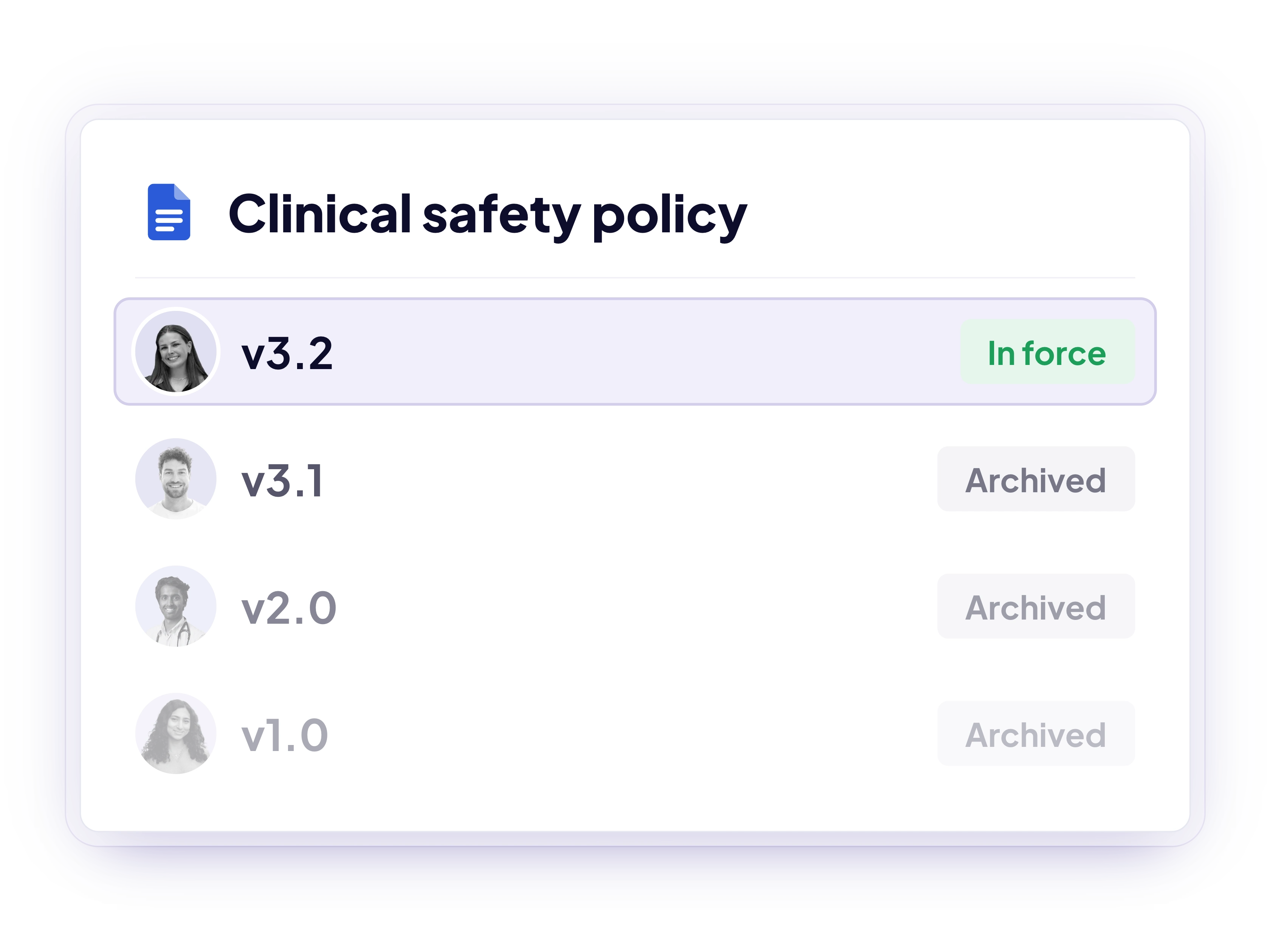
Traceability, signatures and version history are always in place, so audits are a review of what's already in Assuric, not a last-minute scramble.
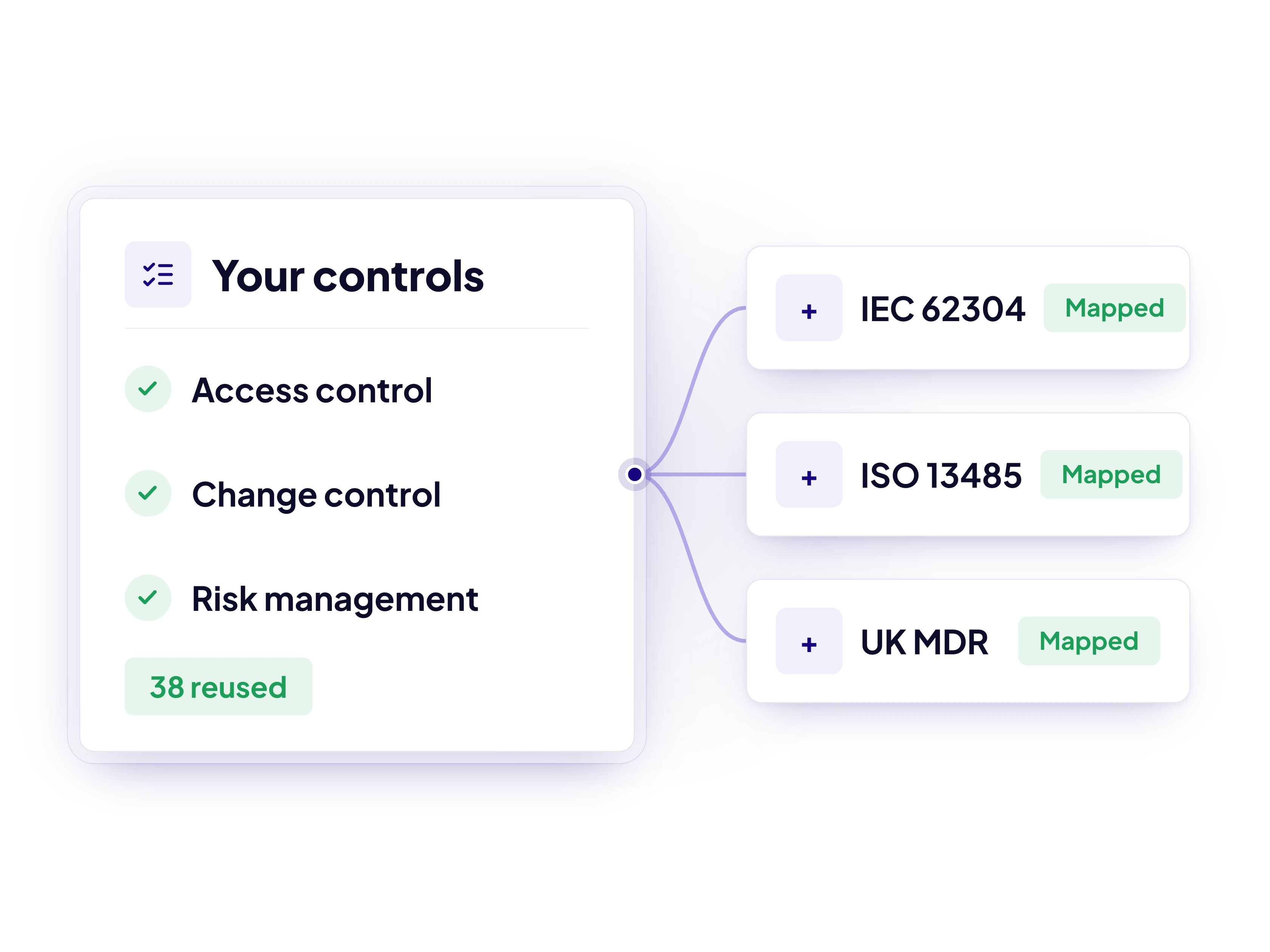
Your QMS, ISMS, AIMS and NHS compliance run in one workspace on one subscription, instead of separate tools that don't talk to each other.
We work with notified bodies and certification auditors, so your evidence is laid out the way they expect.

“We couldn't speak highly enough of both the Assuric team and the platform itself, which is incredibly easy to use, and with the skill and hardworking nature of the Assuric team. They've been a key component in accelerating our progress and deployments!”
Maks Kozarzewski
COO, VitVio

“The Assuric platform is a game changer in the clinical risk management field. It has been carefully designed to make the job of a CSO significantly more streamlined. The team are excellent and responsive to any product suggestions I have requested, and it has been a pleasure to work with them.”
Paul Llewellyn
CCIO, Accenture

“Assuric has been fantastic in helping us quickly and safely navigate regulatory compliance in the UK. From completing Cybersecurity requirements to DSPT, DCB0129, and DTAC, the team was supportive, extremely knowledgeable, and the platform made everything quick and straightforward. A separate regulatory company we consulted at the beginning even remarked on how quickly we achieved compliance!”
Katie Baker
Director UK & Ireland, Tandem
An electronic quality management system holds the documented processes, records and evidence that show you build your product in a controlled way. Software that’s a Class IIa medical device or above in the UK or EU needs a QMS certified to ISO 13485. At Class I you still need documented processes, and running them in a real system makes moving up a class much easier.
We import and map all of your existing documents, records and processes across to our frameworks, with version history intact, and hand you back a working system. It is included on every eQMS plan.
A genuine one. Documents are written, versioned, reviewed, approved, signed and retired inside the platform, with 21 CFR Part 11 compliant e-signatures and an audit trail that cannot be edited or deleted.
Yes. E-signatures are 21 CFR Part 11 compliant, each linked to the signer, the meaning of the signature and the exact version signed, with an audit trail that can’t be edited or deleted.
Yes. ISO 27001 and ISO 42001 sit alongside ISO 13485 in the same workspace, so shared controls, policies and evidence are mapped once and reused, giving you one integrated management system.
Yes. Assuric is fully validated, and we provide the validation pack you need. Under ISO 13485 (clause 4.1.6) you remain responsible for validating the software you use for its intended use in your QMS, but our validation pack and team do most of the work, so it’s quick and straightforward.
Not certification, in most cases. You still need documented design controls, risk management and post-market processes, and if you expect to move to Class IIa it is worth building them properly at Class I to avoid retrofitting them later.
It's what we're built for. Under current UK and EU frameworks, AI is managed through your ISO 13485 quality system with AI-specific policies and risk controls. Assuric is specialised for software and AI as a medical device, and we cover ISO 42001 alongside 13485, so your AI management system and your quality system run as one integrated system.
Those systems carry cumbersome supplier, materials and manufacturing processes you will never use, and their design control processes assume a physical product and a factory. Assuric is built around how software is designed, released and maintained.
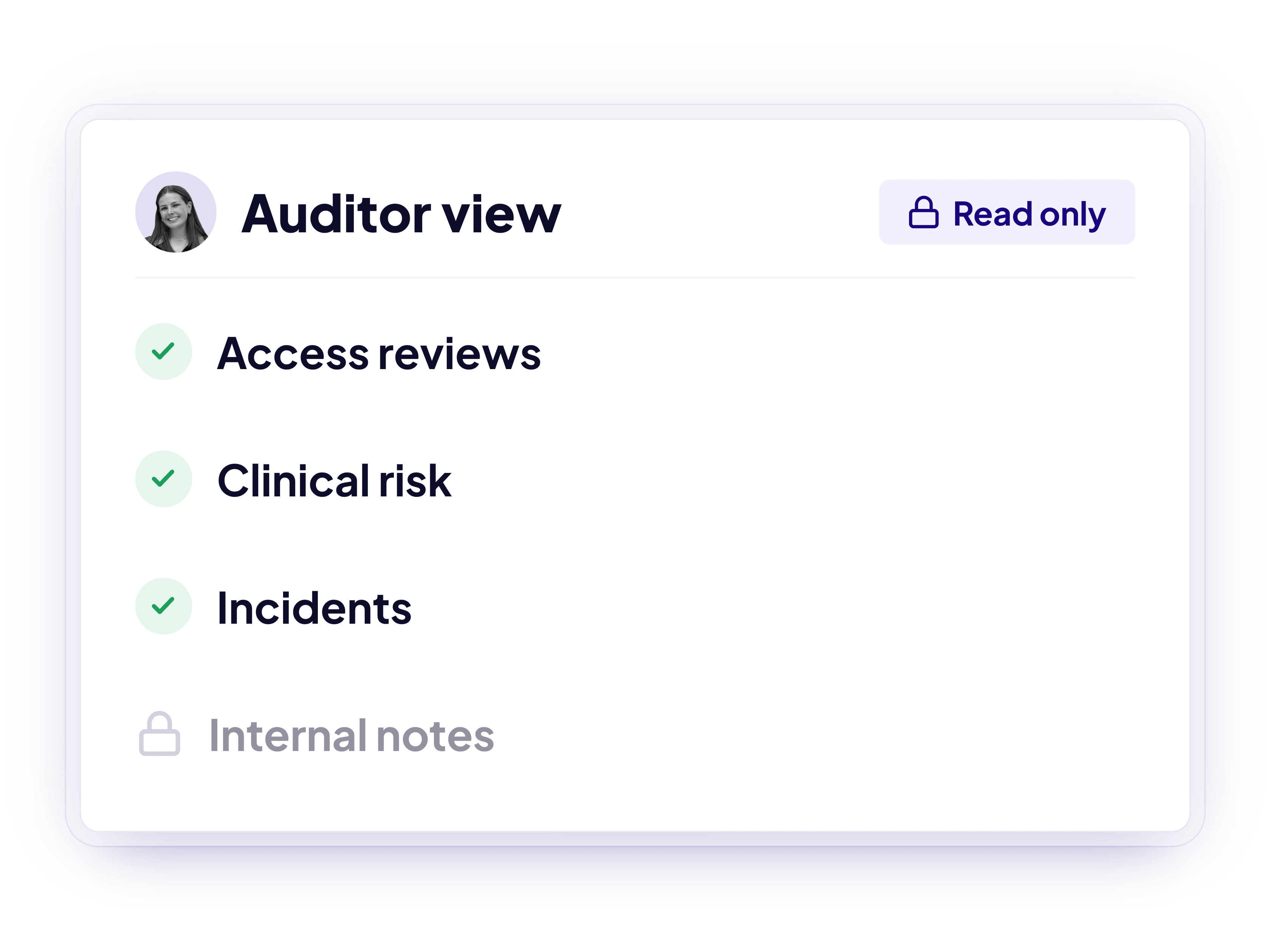
Yes. Auditors get access to an auditor portal with read and comment only permissions, so they can review documents and records without being able to change anything. Everything is mapped to the requirements they are auditing against, so they can work through the standard clause by clause.
See your QMS, risk file and technical documentation working together.