Hazard logs, safety cases and sign-off in one place
Keep your hazard logs, safety case reports, incidents, reviews and CSO sign-off together for DCB0129 and DCB0160, instead of spread across spreadsheets and documents.
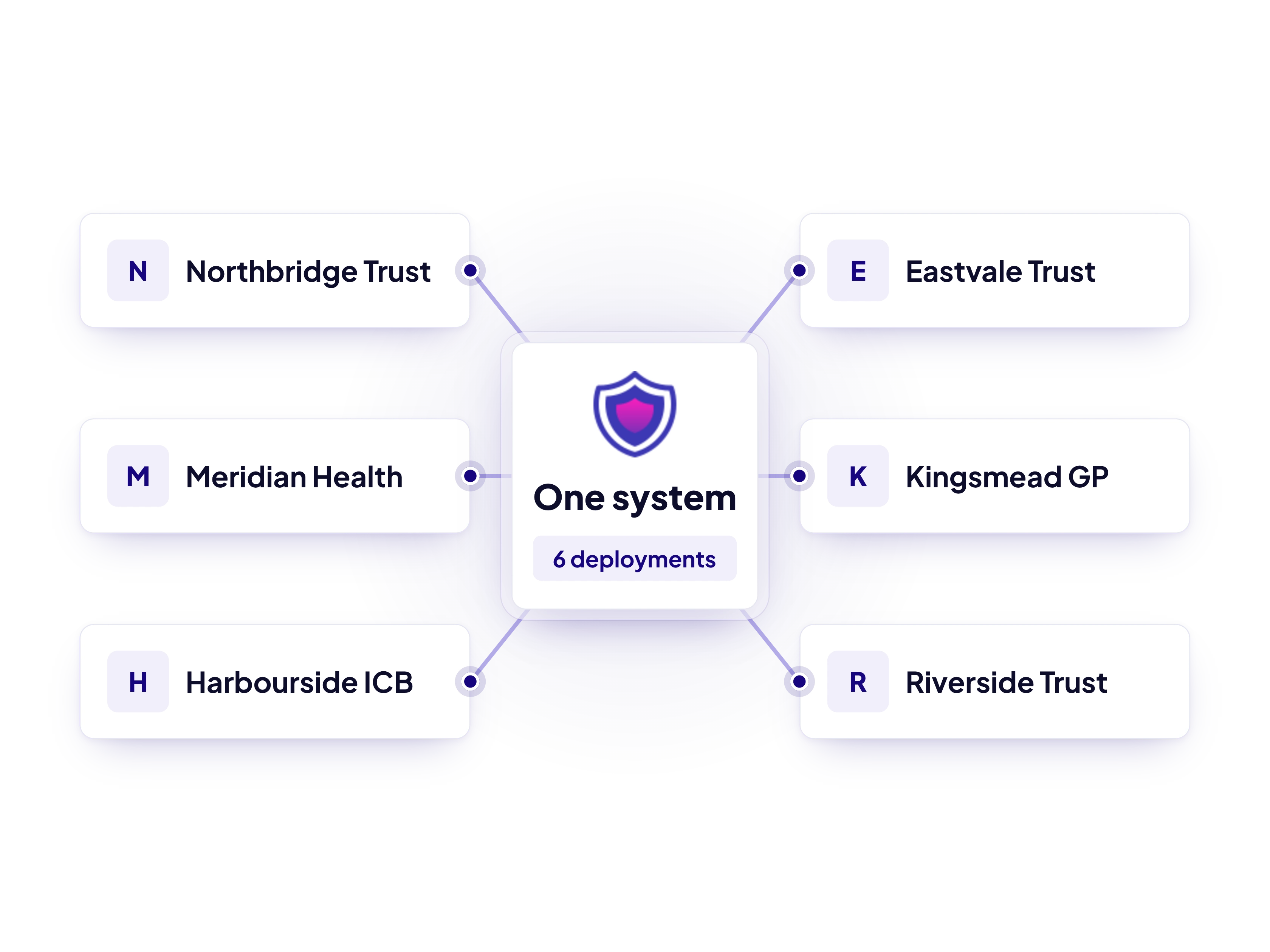
Manage DCB0129 and DCB0160 safety cases, hazard logs and CSO sign-off in one place, with AI that drafts documentation from your product information and keeps it current as you release.
Trusted byclinical safety teams


Benefits
Keep your hazard logs, safety case reports, incidents, reviews and CSO sign-off together for DCB0129 and DCB0160, instead of spread across spreadsheets and documents.
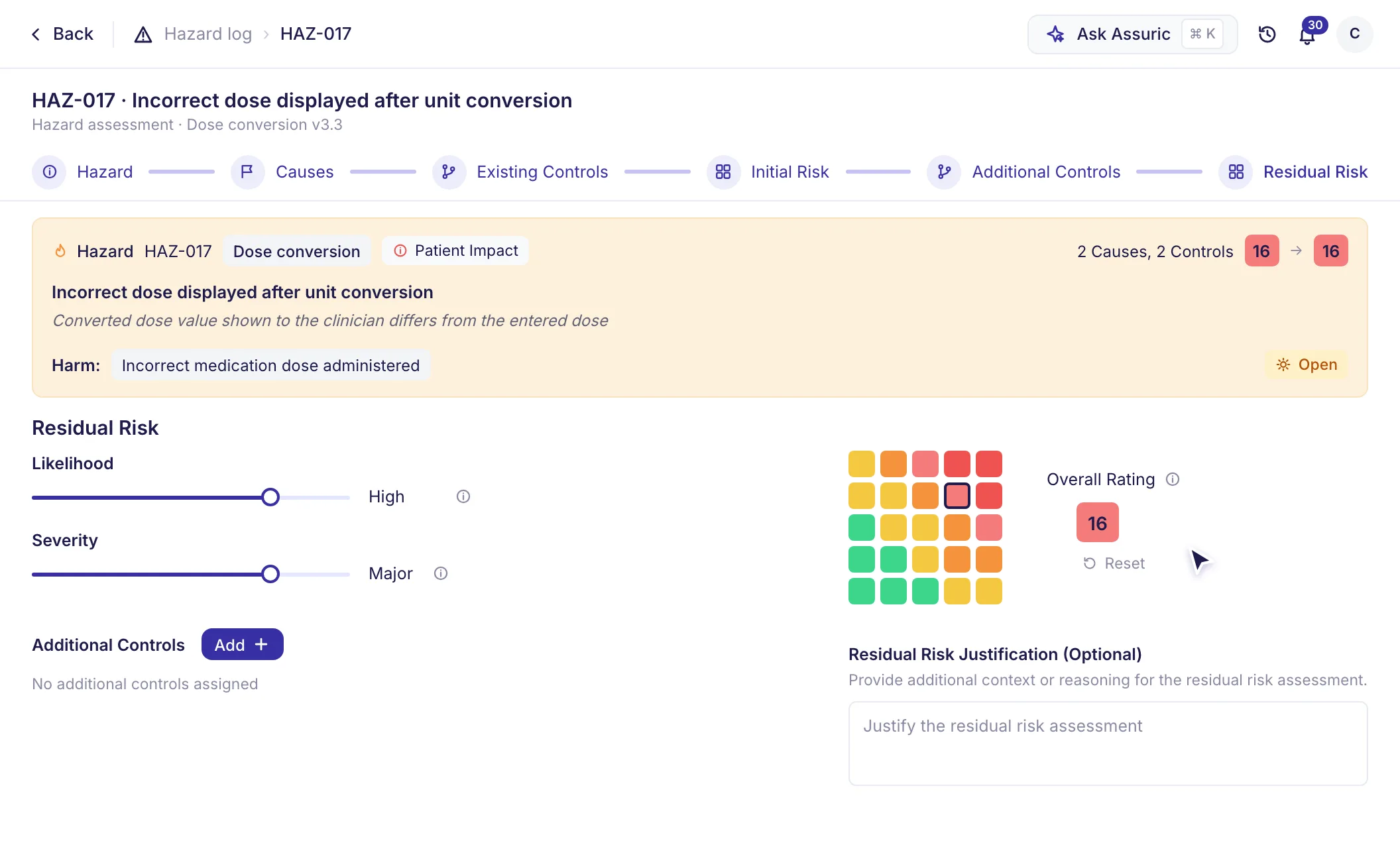
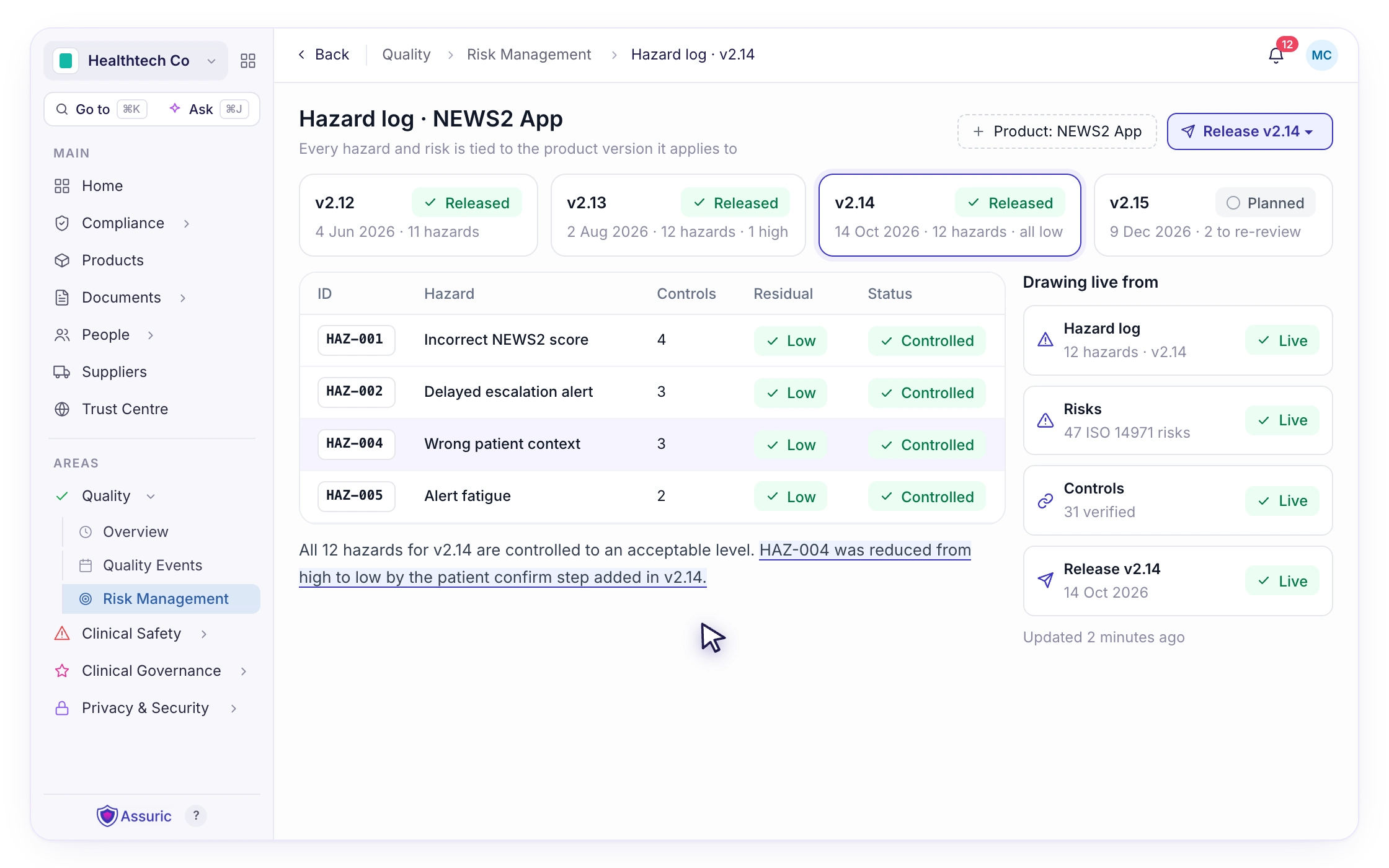
Each hazard is linked to its causes, controls and evidence, and changes flow straight into your safety case report, so it always reflects the current residual risk.
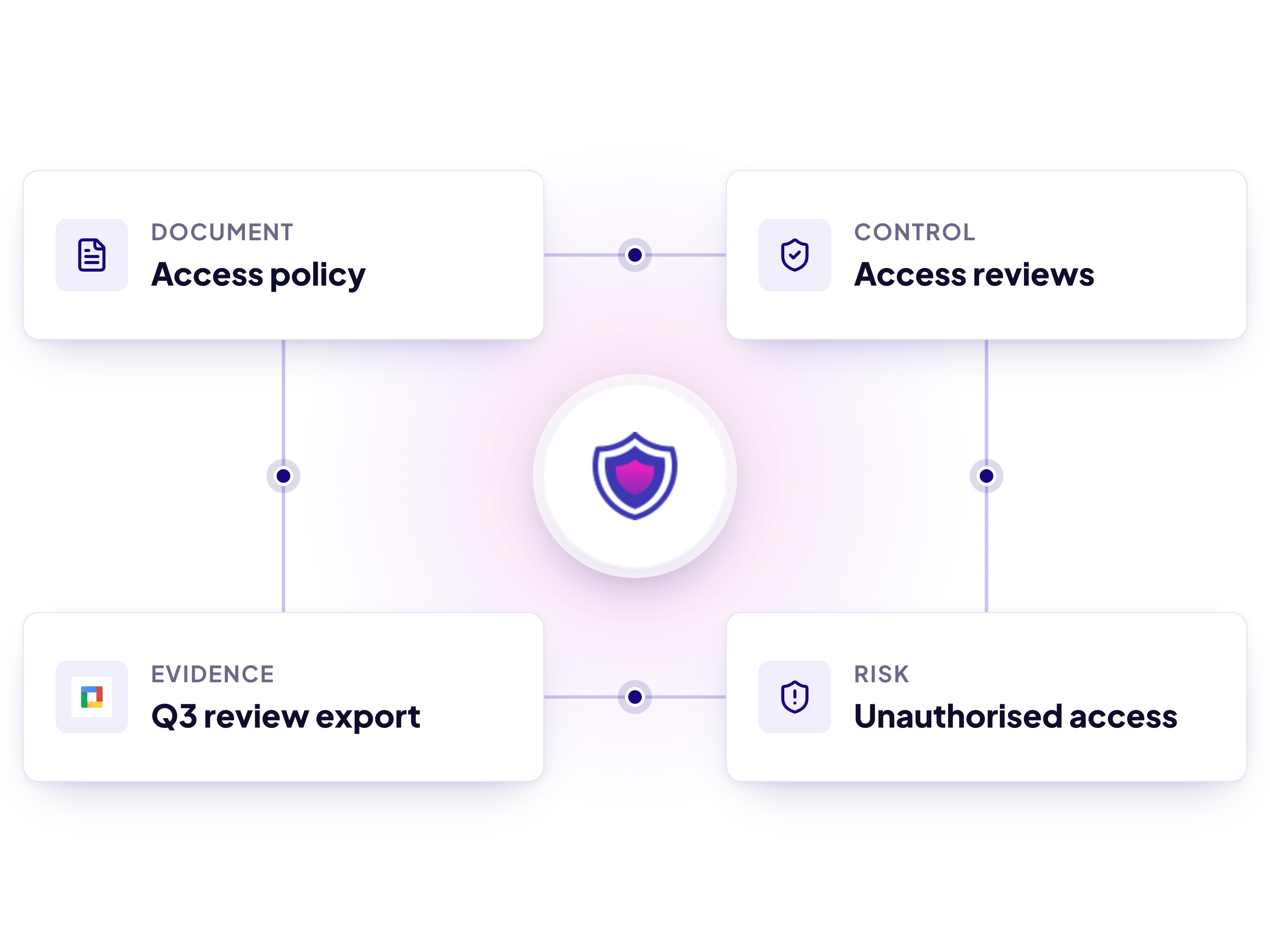
Keep a separate safety case for each product or deployed system, whether you are a technology supplier working to DCB0129 or a healthcare organisation working to DCB0160.
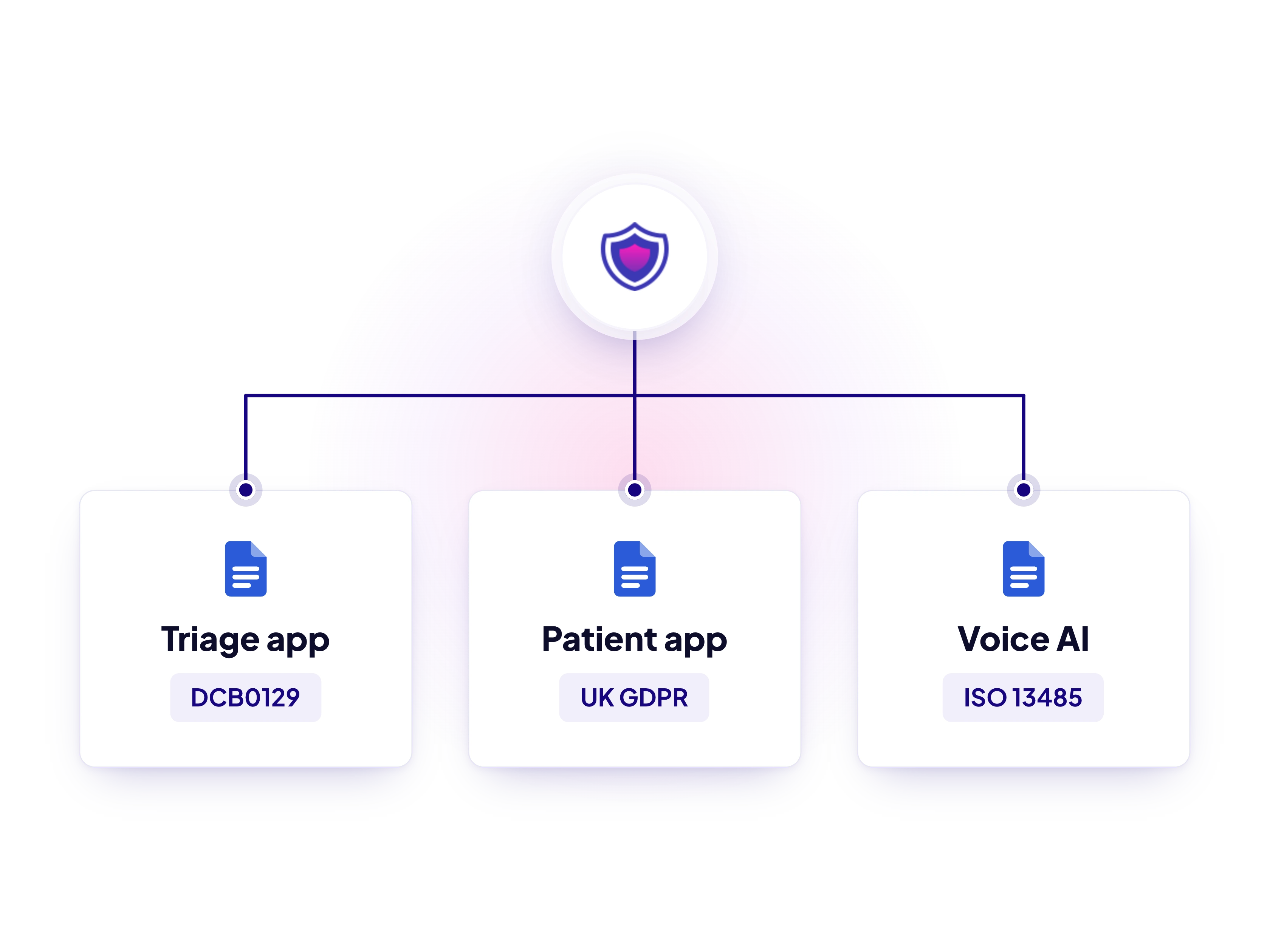
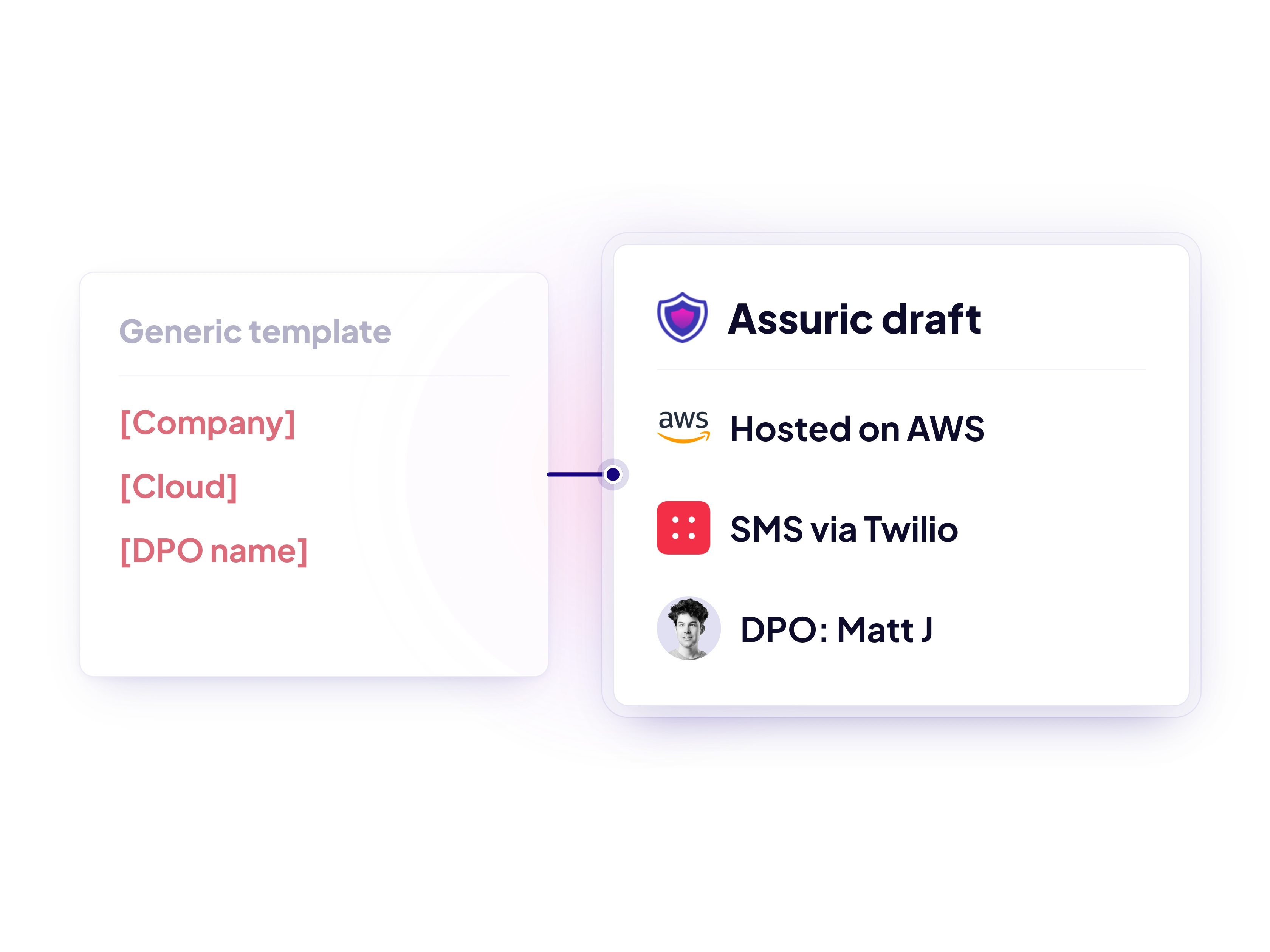
Assuric AI drafts safety cases and policies from your product documentation, release notes and hazard log, and suggests hazards, causes and controls, with every suggestion reviewed before it is accepted.
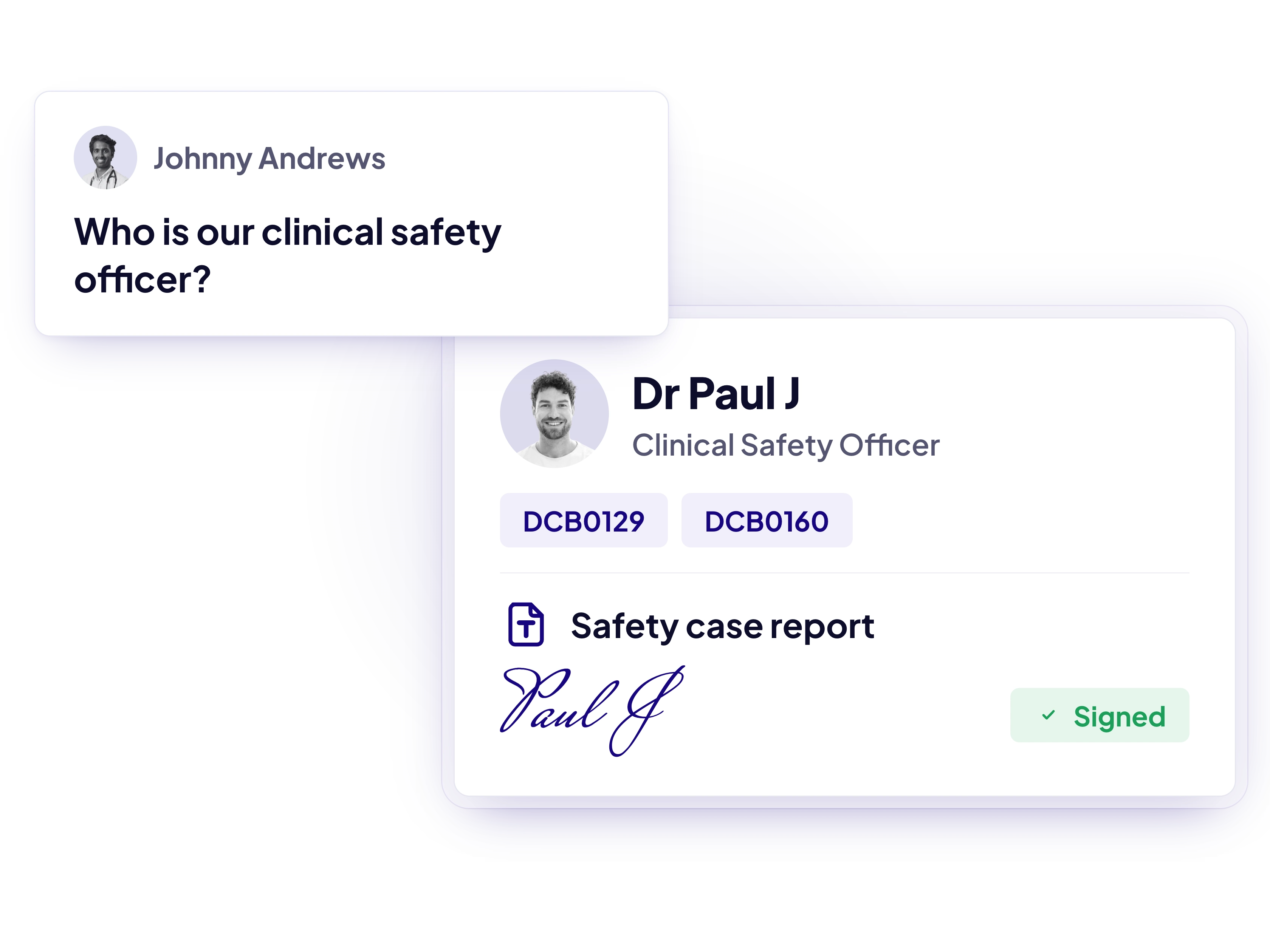
Route documents through drafting, review and CSO approval, with comments, electronic signatures and a record of who approved each version and when.
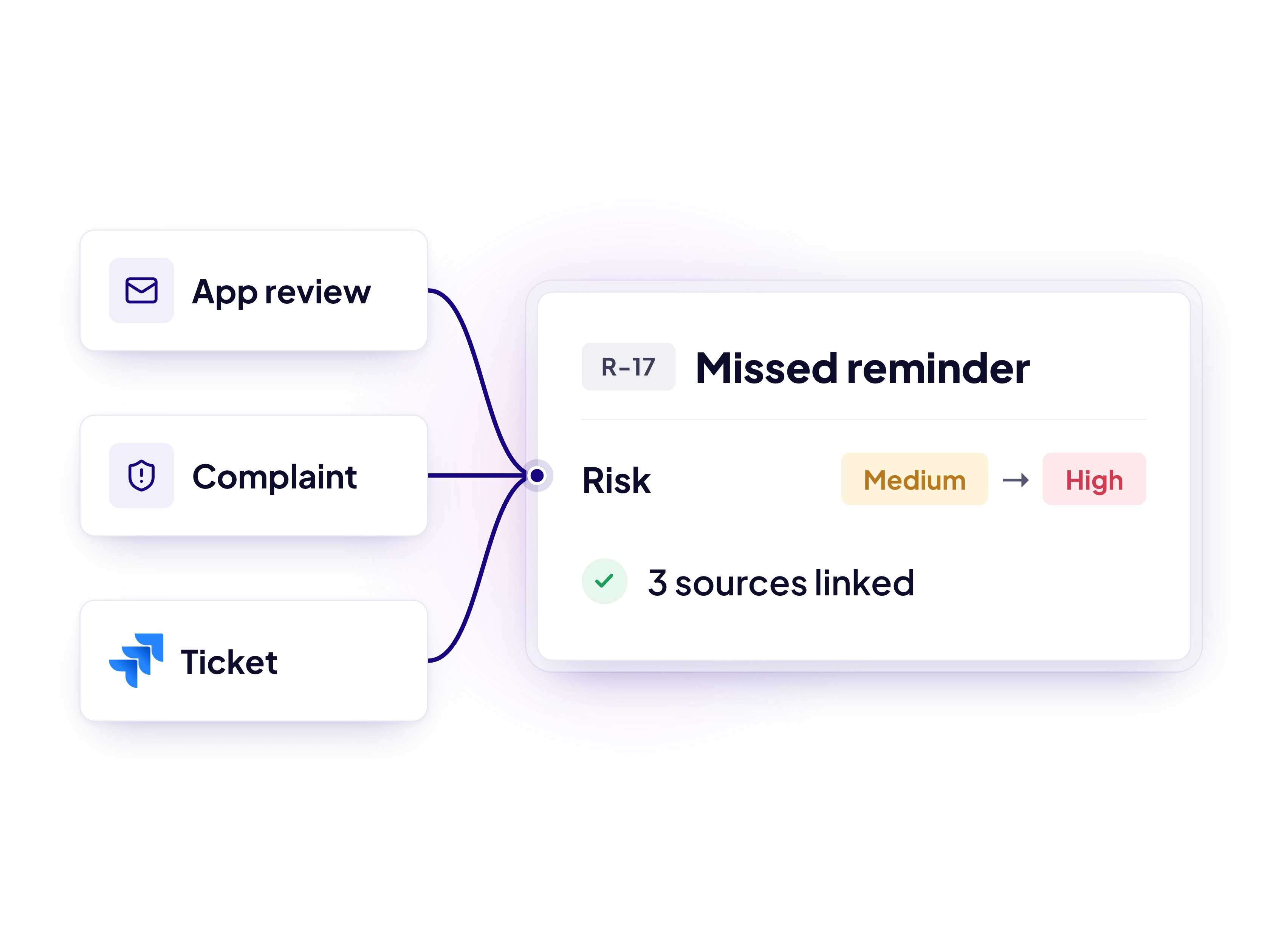
Log incidents, complaints and feedback, link them back to the hazards they affect and re-score the risk, so your safety case keeps up with real-world use.
Features
Hazard logs, safety case reports, CSO sign-off and incidents in one place, from identifying hazards to signing off each release.
Hazard log
Record each hazard, score its severity and likelihood on a risk matrix you configure, and link it to the controls and evidence that manage the risk. Import existing hazard logs to get started.

Automated case reports
Create clinical safety case reports using information from your live hazard log, including hazards, causes, controls, evidence and residual risk. Review, edit and approve reports with version history built in.

Fractional CSO
Work with qualified Clinical Safety Officers experienced in DCB0129, DCB0160 and ISO 14971, who can act as your named CSO whether you are a supplier or a deploying organisation, and support incidents and stakeholder queries.

Incident management
Capture incidents from your staff portal or tools like incident.io, triage them with clinical oversight, investigate to closure and link each one to the hazards it affects.

“We couldn't speak highly enough of both the Assuric team and the platform itself, which is incredibly easy to use, and with the skill and hardworking nature of the Assuric team. They've been a key component in accelerating our progress and deployments!”
Maks Kozarzewski
COO, VitVio

“The Assuric platform is a game changer in the clinical risk management field. It has been carefully designed to make the job of a CSO significantly more streamlined. The team are excellent and responsive to any product suggestions I have requested, and it has been a pleasure to work with them.”
Paul Llewellyn
CCIO, Accenture

“Assuric has been fantastic in helping us quickly and safely navigate regulatory compliance in the UK. From completing Cybersecurity requirements to DSPT, DCB0129, and DTAC, the team was supportive, extremely knowledgeable, and the platform made everything quick and straightforward. A separate regulatory company we consulted at the beginning even remarked on how quickly we achieved compliance!”
Katie Baker
Director UK & Ireland, Tandem
DCB0129 applies to manufacturers of health IT systems used in NHS care. It requires clinical risk management throughout development, a hazard log, a clinical safety case report and a named Clinical Safety Officer. DCB0160 applies to the health and care organisations that deploy and use those systems, who assess the risks of their own local deployment, building on the manufacturer’s DCB0129 documentation. Assuric supports both, so suppliers and deploying organisations can work from the same hazards and evidence.
Any company that makes health IT software used in health and care in England, including the NHS, such as patient apps, clinical decision support, EPR modules and AI tools. DCB0129 is a mandatory information standard under the Health and Social Care Act 2012, and NHS buyers check it as part of DTAC, so a supplier without a DCB0129 safety case will struggle to get through NHS procurement.
Yes. Both DCB0129 and DCB0160 require a named Clinical Safety Officer: a clinician registered with a professional body, such as the GMC, NMC or HCPC, and trained in clinical risk management. The CSO oversees your clinical risk management process, reviews hazards and controls, and signs off the safety case. If you do not have one in-house, our fractional CSOs can act as your named CSO, working inside your Assuric workspace.
A clinical safety case report sets out the argument that your system is safe to use: the system description, the hazards identified, the controls in place, the residual risk and the Clinical Safety Officer’s conclusion. In Assuric, the report is generated from your live hazard log, so it stays current with each release.
Each hazard should record its causes, its potential effect on patients, the initial risk rating from severity and likelihood, the controls that reduce it, the evidence that those controls work, the residual risk, an owner and a status. Assuric links each hazard to its controls and evidence, with a risk matrix you can configure to suit your organisation.
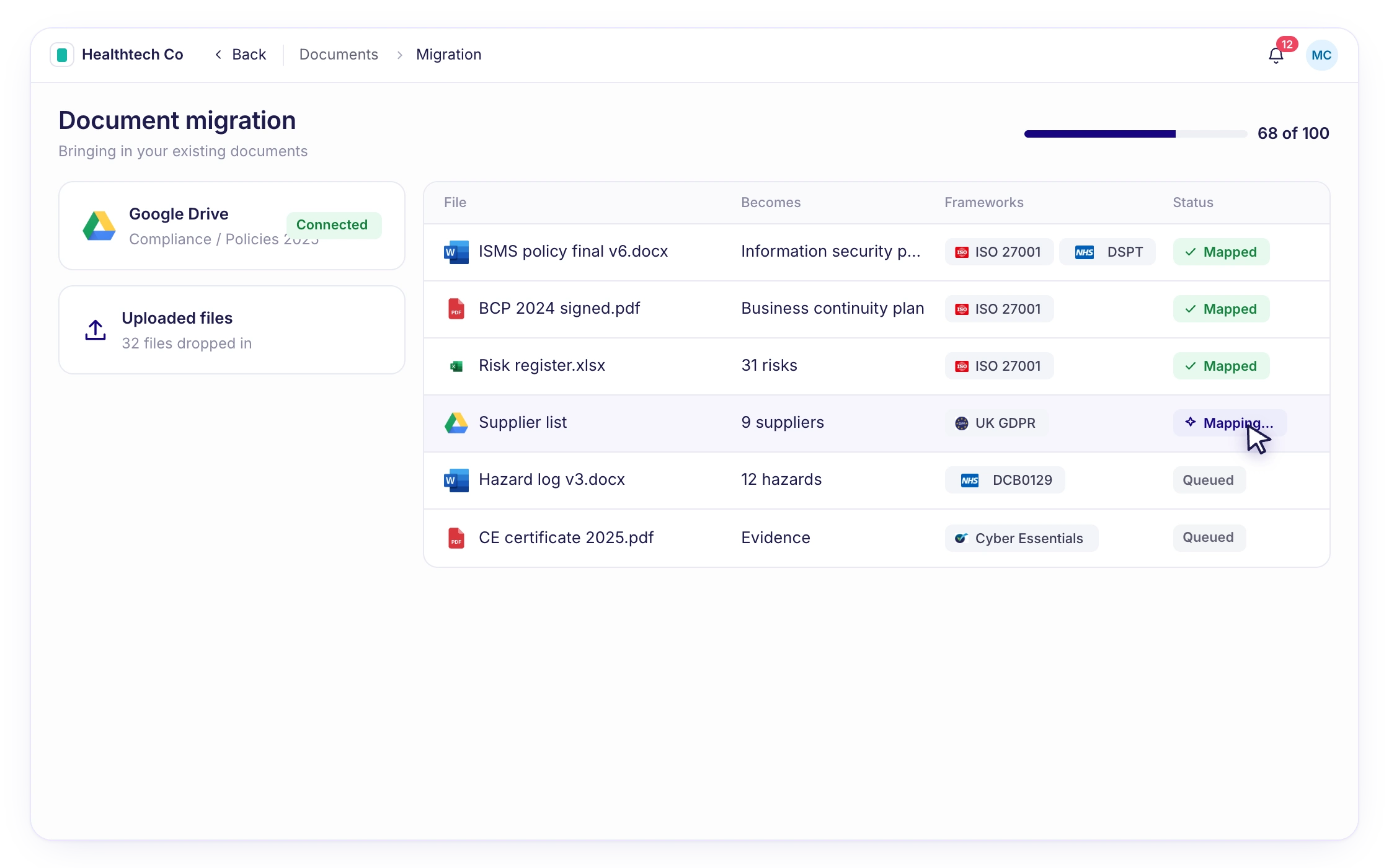
Yes. A comprehensive onboarding and migration service comes as standard. Our team imports all your existing hazard logs, clinical safety case reports and other clinical safety documentation, from spreadsheets, documents or another tool, and maps them against the relevant requirements, so nothing has to be rewritten. Assuric AI can also import seamlessly from your existing evidence and spreadsheets, so new records come across without manual re-entry.
Yes. AI tools used in NHS care fall under DCB0129 and DCB0160 like any other health IT system. If your software is also a medical device, you will also need risk management to ISO 14971 for UK MDR. Assuric links the two, so the same hazards and controls feed both your DCB0129 safety case and your ISO 14971 risk file.
See how Assuric manages DCB0129 and DCB0160 hazard logs, safety cases and sign-off for every product and deployment.